Legacy and vision: Advancing inclusion at UNB
Author: UNB Newsroom
Posted on Mar 3, 2026
Category: UNB Fredericton , UNB Saint John

As UNB looks ahead to a new chapter in leadership, this series continues by reflecting on the progress achieved during Dr. Paul J. Mazerolle’s seven-year tenure as president and vice chancellor. This story highlights a meaningful dimension of that legacy: UNB’s growing commitment to inclusion, and the work underway to create a more welcoming, supportive and equitable university community.
Through the leadership of president and vice chancellor Dr. Paul J. Mazerolle and the collective efforts of students, faculty, staff and community partners, UNB has made meaningful progress toward becoming a more welcoming and inclusive place to work, study and live. This commitment reflects a core pillar of the UNB Toward 2030 strategic vision: building a people‑centric, values‑informed university community. Cultivating a shared sense of belonging, alongside a firm commitment to human rights and equity, has been a consistent focus throughout Dr. Mazerolle's tenure at UNB.
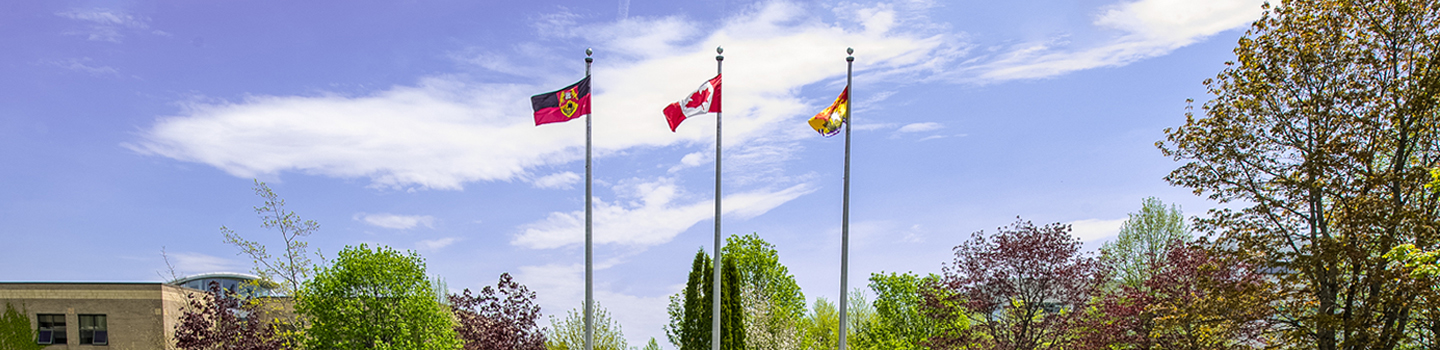
That commitment is reflected not only in policy and practice, but also in visible, symbolic actions. As a symbol of UNB's ongoing commitment to Truth and Reconciliation, and a daily reminder of the Wolastoqey land on which the university sits, the flags of the Wolastoqey Nation and the Wabanaki Confederacy now fly prominently in front of Sir Howard Douglas Hall. UNB will soon raise Indigenous flags near the new Health and Social Innovation Centre on the Saint John campus.
Smudge-friendly spaces have been designated and maintained on both campuses to respect the cultural significance of this sacred practice. A Wabanaki Healing Garden has opened on the Fredericton campus, with a second planned for Saint John, creating dedicated spaces for cultural and spiritual grounding, reflection and honouring the land.
In research and teaching, the appointment of Dr. Charles Sacobie as UNB’s first Skitgomiqewi Kcicihtuwinut (Indigenous science scholar) reflects a meaningful blending of Indigenous knowledge and Western scientific methodologies.
This approach to blending land-based practices into course curriculums is what drew Kianna Bear‑Hetherington, UNB’s first Wolastoqey and Indigenous valedictorian in a STEM‑related field, to study forestry and environmental management.
In the area of artistic expression, the Saint John campus unveiled new, locally made artwork that pays homage to the rich heritage and perspectives of the Wolastoqey, Mi'kmaq and Peskotomuhkatiyik nations.
Community engagement around reconciliation has grown far beyond these initiatives, and attendance at last year’s National Day for Truth and Reconciliation ceremony grew considerably. One thousand people attended in person and online.
Also in 2025, graduation stoles recognizing Indigenous and African diaspora students were unveiled and became available to graduating students. The thoughtfully designed stoles honour the distinct cultures, histories and traditions of both communities.
UNB’s institutional commitments to human rights and equity were further deepened with the appointment of a leader for the Human Rights and Equity Office (HREO) and with the university’s signing of the Scarborough Charter, a national framework dedicated to combatting anti‑Black racism and advancing Black inclusion.
These commitments have helped expand HREO‑led education programming and launch Diversity Dialogues, which create and elevate existing opportunities for open and honest community discussion of social justice issues.
Together, these initiatives reflect UNB’s ongoing commitment to equity, inclusion and human rights—grounded in action and accountability. As the university looks ahead, this work continues to shape a people‑centered academic community where respect, belonging and opportunity remain central. These foundations will guide UNB’s continued efforts to ensure all members of its community can thrive.
In our first story, we looked at how UNB has grown to meet today’s challenges. We’ll conclude this series with a story on the impact of UNB research and innovation over the past seven years.