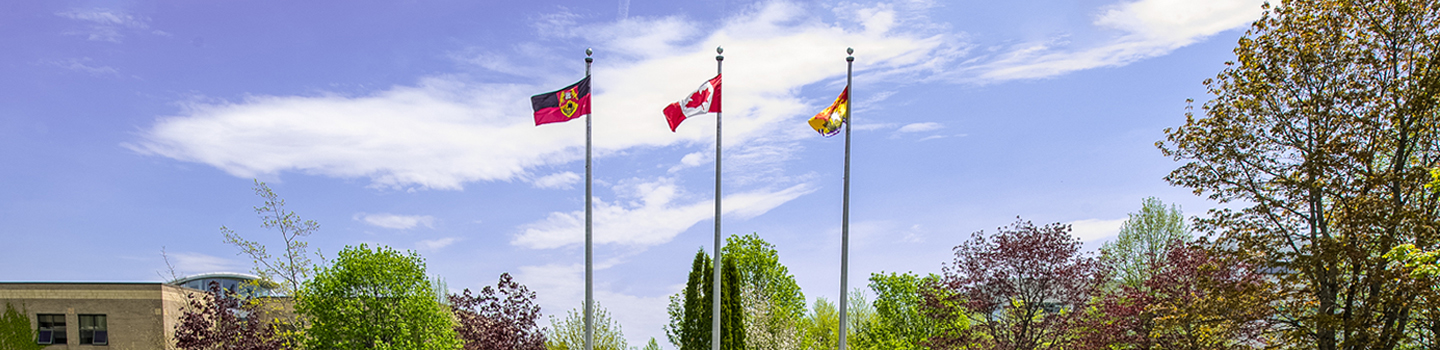
At the University of New Brunswick, community and connection support Indigenous student success
Author: Tim Jaques
Posted on Sep 16, 2026
Category: UNB Fredericton , UNB Saint John
Indigenous students at UNB's Fredericton and Saint John campuses have access to advice, wellness services, cultural programming, Elders, career planning, and community support from arrival through graduation.
For many students, arriving at university means much more than showing up for classes. It can mean leaving home, family, community, and familiar support systems behind while adapting to a new environment and new expectations.
The experience is different for every student. Some are leaving their community for the first time. Others are returning to education after years away. Some arrive with a clear career goal. Others are still figuring out where they want their journey to lead.
At the University of New Brunswick's Fredericton and Saint John campuses, helping Indigenous students succeed begins with belonging.
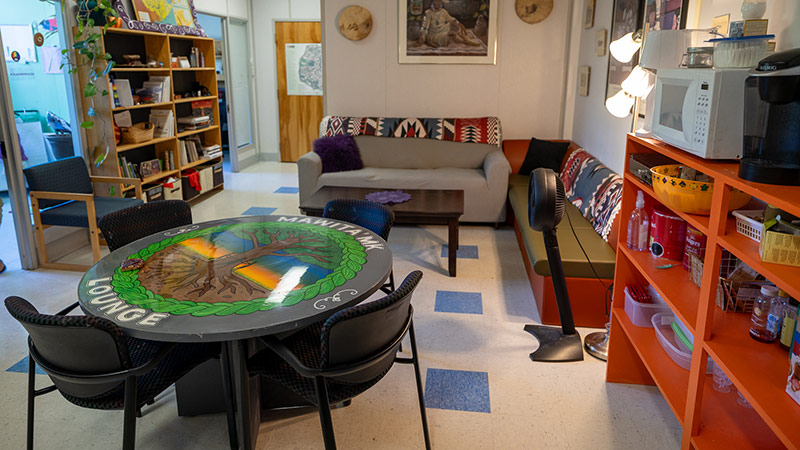
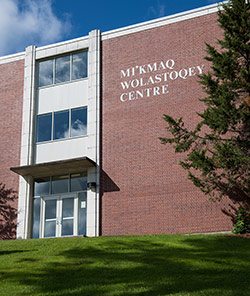
"We do try to make it like a home away from home," said Nancy Harn (C-FNB'07, BBA'10, MED'19), a Canadian Certified Counsellor through the Canadian Counselling and Psychotherapists Association, and the Coordinator of the Ntulsonawt Wellness Centre at the Mi'kmaq-Wolastoqey Centre (MWC) at UNB’s Fredericton campus.
"We try to build community for students outside their home communities."
At the MWC, students gather for cultural activities, workshops, shared meals, wellness programming, and informal conversations. The goal is to provide a place where students can connect and maintain connections to culture and community while pursuing their education.
"We just really want that familiarity and that immediate sense of belonging," said Indigenous Student Advisor Alexander Miller (BScENR'24).
Those relationships can become one of the most important parts of the student experience.
"One of the main things about students coming up to our events is that they get support from us and from each other," said Career Development Practitioner Meaghan McIntyre (BA'13, C-INC'23, MEd'25).
"Those bonds with each other are as important as relations with the staff and students."
Experiential Education Coordinator Becca Ireland (BSENR'21) experienced that support herself as a student.
"I considered them my aunties," she said. "It was this spot where I could go and get some rest and help."
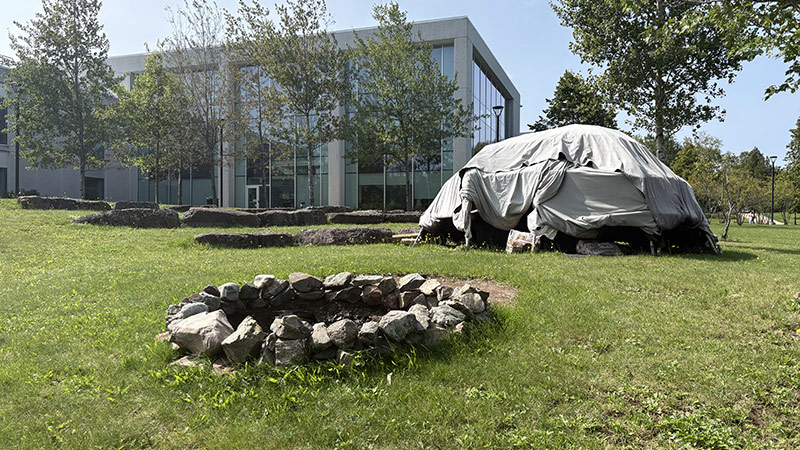
UNB’s Saint John campus offers similar opportunities. Students can participate in Indigenous orientation events, gather in a dedicated Indigenous student space, connect with Elders and Knowledge Keepers, take part in cultural programming, and access a sweat lodge located on campus.
"When we start each year, we do an Indigenous student orientation, which is an opportunity for people to come together, have lunch, and meet each other," said Todd Ross, Piluwitahasuwin (Associate Vice President Indigenous Engagement).
For MWC Nihkanatpat (Director) Ramona Nicholas (MA'16), maintaining continuity between home communities and university life is essential.
"We need that continuation of what they're doing in the community and coming into this space," she said.
Nicholas said culture, community, language, and relationships should not be left behind when students arrive at university.
"Everything in our lives is interconnected. It's holistic. This continues that interconnectedness for them."
Confidence through connection
While many conversations about Indigenous students focus on barriers, MWC staff consistently point to resilience, determination, experience, and community knowledge as strengths students bring with them when they arrive.
"They bring a lot of resilience," Miller said. "Everybody whom I've encountered is more resilient than they give themselves credit for."
Harn agrees.
"They're all walking through the door with something," she said, "whether they recognize their gifts or not."
These are gifts Ross often experiences first-hand.
"I think there's wonderful strength in bringing some of the traditional knowledge that people carry that may have been passed through their family or through their community," he said.
Harn recalled a ribbon-skirt-making activity that brought together undergraduate, master's, and PhD students.
"One student commented, 'I can't believe I'm sitting around all these knowledgeable people who make me feel like I can go further,'" she said.
What supports are available?
UNB offers academic, financial, personal, cultural, and wellness supports when challenges arise.
Staff on both campuses work to help students navigate financial pressures, housing concerns, personal difficulties, family responsibilities and academic supports, and connect students with the appropriate resources.
"We work well as a team," Harn said. "There are resources available on campus that we can navigate students towards."
Support often begins with a simple conversation.
"When an issue arises, and they inform somebody here, I feel like there's almost an immediate sense of rallying," Miller said.
Students may receive help accessing bursaries, finding employment opportunities, connecting with counselling services, navigating university processes, or obtaining support from community organizations.
On the Saint John campus, Ross said, students can connect with Indigenous counselling services, experiential learning opportunities, employment supports, Elders, and other campus resources. The campus even has its own permanent sweat lodge.
For Ireland, maintaining connections to culture is part of supporting student well-being.
"Without our language, without our culture, without our ways of knowing and doing, who are we?"
Preparing for life after graduation
At UNB, career conversations often begin well before graduation.
"That's a conversation that should really start as early as possible," McIntyre said.
Students are encouraged to remain open to new opportunities as they grow and discover new interests.
"This is a place for you to figure it out," she said.
In Saint John, students can take part in paid projects, including traditional canoe building, Indigenous arts initiatives, and media projects.
For Ross, success is about more than earning a degree.
"I think the main thing is being able to take teachings that they get from the university and bring those back into the community," he said.
UNB is built on relationships that continue long after orientation week, final exams, and graduation.
Many of the people supporting students today once relied on those same supports themselves. Former students often return as mentors, employers, community partners, and supporters of the next generation.
Nicholas said dedicated Indigenous spaces help students remain connected to important parts of themselves while pursuing higher education.
"Having these resources protects and supports students as they navigate their university careers."
For Indigenous students beginning university, that may be the most important lesson of all.
Beyond the programs, services, and resources are people ready to listen, guide, encourage, and help students succeed while remaining connected to who they are, where they come from, and where they hope to go next.
"It's relationships that are key," Ross said.
"It's the university's relationship with communities, with Wabanaki communities, with urban communities, and outside communities, but it's also our relationships with each other."
Resources
Mi'kmaq-Wolastoqey Centre (MWC) key supports and services:
- Indigenous student advising and guidance
- Cultural activities, events, and community gatherings
- Access to Elders, Knowledge Keepers, culture, language, and ceremony
- Wellness, counselling, and emotional support
- Academic support and help navigating university processes
- Assistance with bursaries, funding, and financial challenges
- Career counselling and employment support
- Experiential learning opportunities
- Graduate student and peer support
- Indigenous student spaces and community-building
- Bridging Year and Wabanaki education programs
- Ongoing support from arrival through graduation and beyond
- A "home away from home" focused on belonging, identity, culture, and success
UNB Saint John campus key Indigenous supports and services:
- Indigenous student orientation and community-building
- Indigenous advising and connections to campus services
- Cultural programming and events
- Sweat lodge ceremonies and smudge-friendly spaces
- Access to Elders and Knowledge Keepers
- Dedicated Indigenous student space
- Indigenous language and cultural visibility on campus
- Connections to MWC counselling, employment, and experiential learning supports
- Paid Indigenous student projects and employment opportunities
- Indigenous arts, media, canoe-building, and traditional medicine initiatives
- Support connecting students with communities and funding resources
- Efforts to incorporate Indigenous ways of knowing into campus life and learning
- Relationship-based support focused on community, culture, and student success
Contacts
Mi’kmaq-Wolastoqey Centre faculty and staff contacts
Todd Ross, Piluwitahasuwin and Associate Vice President Indigenous Engagement
See also:
Indigenous students find connection and support at UNB's Mi’kmaq-Wolastoqey Centre
UNB opens Wabanaki Healing Garden on National Day for Truth and Reconciliation
New policy makes Indigenous smudging and pipe ceremonies more accessible on campus