
Mapping Genomic Data Across Atlantic Canada
Author: DataNB
Posted on Sep 17, 2026
Category: DataNB
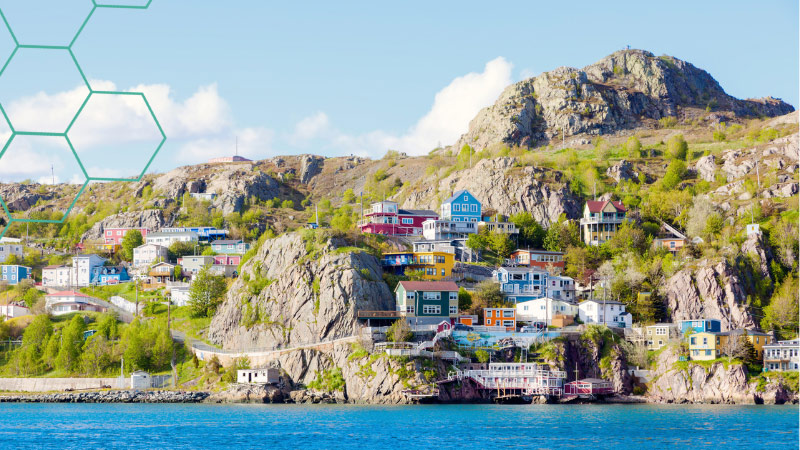
Atlantic Canada is home to several communities whose genetic histories can be traced back to small groups of early settlers. Over many generations, these groups remained relatively isolated, and their descendants inherited many of the same genetic traits – a pattern known as the founder effect. This is the case for populations in Newfoundland and Labrador and Acadian communities in Nova Scotia and New Brunswick, where distinctive genetic patterns differ from those seen in the broader population.
These unique histories make genomic data especially valuable for understanding health in the region. But how many genomic data sets actually exist, and how easy are they to access?
To answer these questions, researchers at DataNB reviewed published research and spoke with experts across the region to learn what genomic datasets have been collected in Atlantic Canada and how accessible they are for research and clinical use.
They found a mix of data strengths and challenges. Some large datasets, particularly in Newfoundland and Labrador, include raw genomic information that has already supported secondary research. At the same time, many datasets are held by individual researchers, rather than in data repositories, making them difficult to locate or access. Clinical genomic data are even harder to use because of siloed systems and limited consent for secondary research. The review also noted gaps in representation, especially for people of non European ancestry.
Ensuring that genomic data follow the FAIR principles – being findable, accessible, interoperable, and reusable – is essential for making these datasets easier to locate, understand, and use across the region. As new initiatives expand data collection practices and improve access to genomic information, the current data landscape may shift – but for now, this study provides a clear picture of what’s available and where barriers remain, informing next steps toward more coordinated, accessible genomic resources across Atlantic Canada.