What is Smudging? And why intention is the backbone of this sacred Indigenous practice
Author: Kathleen McLaughlin
Posted on Jun 19, 2026
Category: UNB Fredericton , UNB Saint John
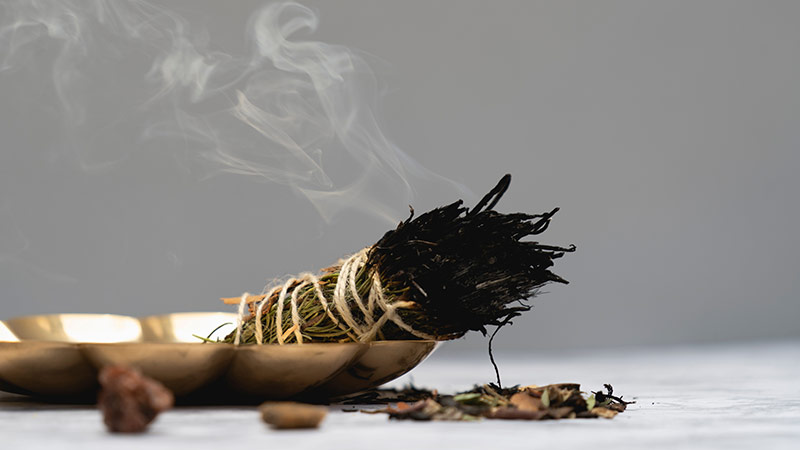
Used to cleanse the mind, body, and spirit, smudging is deeply personal and often misunderstood. Here’s what to know about the practice, its history, and why intention matters most.
Smudging is a traditional Indigenous ceremonial practice used across the Americas and in cultures around the world to spiritually cleanse a person, place, or space.
Two years ago, the University of New Brunswick adopted a Smudging policy, ensuring designated areas for smudging and pipe ceremonies across its campuses.
Elder Ramona Nicholas, Nihkanatpat (director) of the Mi'kmaq-Wolastoqey Centre, explains the history of smudging, and how Indigenous and non-Indigenous folks can respectfully learn and engage with the practice.
The practice
Due to the colonization of Indigenous Peoples, the history of when and how smudging began is unclear. The 1876 Indian Act and residential schools sought to eradicate Indigenous culture in favour of assimilation into Euro-Canadian society, leaving language, land, and traditional practices such as smudging, lost and left behind.
Nicholas is from Neqotkuk, known as Tobique First Nation, the largest rural Wolastoqiyik community in the province, located on the north side of the Tobique River. It wasn’t until her late teens that she began to practise her cultures’ traditions.
“The Indian Act affected Indigenous communities deeply,” said Nicholas. “People were confined to smaller areas and kept their cultural practices hidden from the church. There was a real fear of getting into trouble, so while these traditions continued, they were practised quietly and largely out of view.”
Smudging uses sacred plant medicines such as sage, sweet grass, cedar, tobacco, and sweet fern, with each plant having a unique purpose for cleansing or healing.
The process of smudging includes burning one or more of the plant medicines and allowing the smoke to cleanse the air, mind, and spirit. But what is most important, said Nicholas, is the intention behind the smudge.
The intention
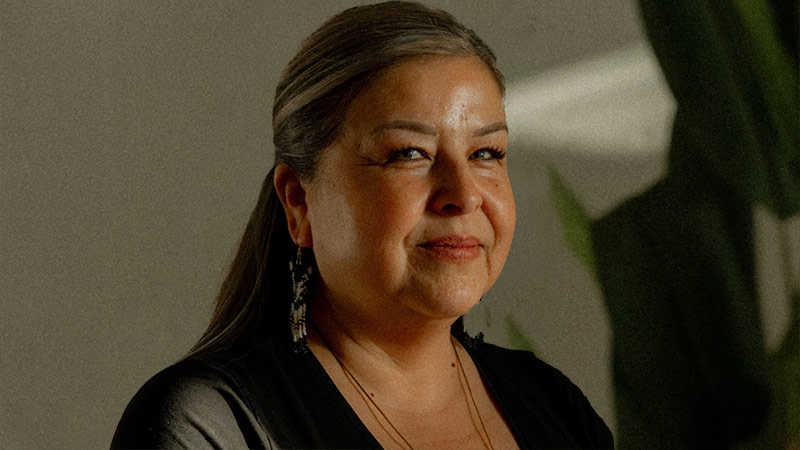
“Intention can come in all sorts of ways, ideas, and forms,” said Nicholas. “When you smudge, there is a clarity you're asking for.”
“You bring the smoke over your head so you can think the good, you cleanse your eyes so that you can see the good, you cleanse your ears so that you can hear the good, and you cleanse your mouth so you can speak the good.”
Nicholas explained that there is no right way to smudge. Instead, she said the practice is both personal and universal, rooted in an individual’s own intention and the reasons they choose to take part.
“In terms of who can or cannot smudge, my answer is that it depends on your situation and why you feel you need to do so,” said Nicholas. “My advice is to speak with a Knowledge Keeper or an Elder and seek out opportunities to learn from them and work with them directly.”
“There isn’t a single guidebook for these practices. The best approach is to find someone who can support and guide you through what you’re learning, whether you’re Indigenous or non-Indigenous. That understanding is important.”
Nicholas explained that different medicines are used depending on the situation and intention. When a gentler, more calming approach is needed, sweetgrass is often chosen because of its scent and the way it can shift a person’s mindset, bringing a sense of calm.
Sage, she noted, serves a different purpose, with various types offering different forms of cleansing. Cedar can also be used in multiple ways, burned or even simmered to help cleanse the air. She added that other medicines, like bear root, have physical effects, such as helping to ease headaches.
Because each medicine carries its own purpose and significance, Nicholas emphasized the importance of learning from Elders or Knowledge Keepers to better understand how and when to use them.
Grounding in cultural safety
The trauma of residential schools and the loss of traditional cultural practices remain deeply present in the lives of Indigenous people today.
“For a long time, Indigenous people were not able to practise their cultures safely,” she said. “Thinking about cultural safety now means reclaiming the ability to do these things without fear of getting in trouble.”
UNB offers smudge-friendly spaces on each campus. These rooms have been selected and maintained to respect and support the cultural significance of smudging.
While there is no simple path toward true reconciliation and healing, one meaningful step individuals can take is to educate themselves and learn directly from Indigenous Elders and Knowledge Keepers.
“I do see a growing willingness to create spaces and opportunities for Indigenous people,” said Nicholas. “We’re not where we should be yet and we’re not where we could be, but it’s a start. As long as we continue having the conversations we need to have, progress can continue.”
She added that for many, this process also involves a personal journey of reconnection.
“There are people who didn’t grow up in community or culture, and now there’s a return to those ways of knowing and understanding. Sometimes it means taking small steps, but it’s about finding your way back.”
Learn more about smudging at UNB.