Technology, certificates and a student’s path into leadership
Author: Tim Jaques
Posted on May 21, 2026
Category: UNB Fredericton , UNB Saint John
Preparing nurses for tomorrow means predicting trends and planning for change, even when the future of care is uncertain.
UNB’s extended reality initiative will let students see Shannex and Horizon Health Network facilities without leaving campus. It is one part of a plan to prepare registered nurses for older adult care and leadership.
UNB is developing a certificate program tailored to the care of older adults, with specific courses and clinical experiences embedded throughout. Shannex is providing scholarships to encourage participation and funding to explore how digital tools can improve care delivery. The aim is to equip nurses to use existing data in daily decisions.
The Mentoring To Lead in Long-Term Care Summer Institute links classroom learning to placements in Shannex sites in Fredericton, Saint John and Moncton. Students work with registered nurses on projects based on identified needs and see how leadership works shift by shift.
“The skills we acquired in class and through online modules were supplemented by additional training courses, such as LEAP (Learning Essentials for Palliative Care) and shift supervisor training, which enhanced our competencies,” said licensed practical nurse Madelyn Patricia Wheaton, who studied to become a registered nurse and joined the Summer Institute to expand her skills beyond the LPN role.
Wheaton said the move from class to Shannex was smooth.
“It was a seamless experience, marked by robust support.”
She said that applying what she learned in a practical setting built her confidence and helped the team establish strong routines.
“Working closely with registered nurses allowed us to establish strong routines within our interdisciplinary team, fostering a sense of trust and collaboration,” said Wheaton.
“I want to celebrate the incredible depth of learning our students experience through the Summer Institute,” said Dr. Patricia Morris, associate professor.
“They are gaining practical skills in areas like wound management, serious illness communication, leadership, and family-centred care. They leave the Institute forever changed by their experiences connecting with older adults and having earned five professional certifications that would not normally be available to undergraduate nursing students. These experiences prepare students to lead change in health systems that are rapidly evolving,” she said.
Dr. Lorna Butler, dean of nursing and health sciences, said expectations for long-term care are changing as technology reshapes service delivery and people expect more convenience and connectivity. The faculty’s plan links classroom work, placements and digital tools so registered nurses can plan and lead in that context.
“Staying a step ahead is a challenge for the registered nurse in the future. We must look to the future, try to predict the future and plan, even if we are not 100 per cent sure what it will be,” said Dr. Butler.
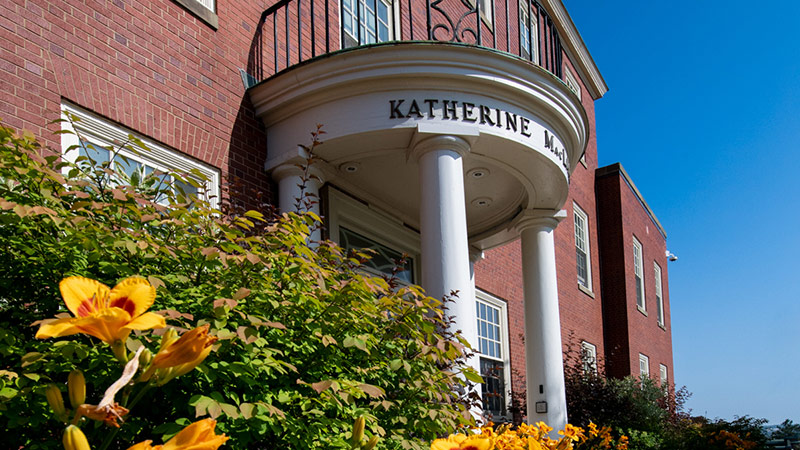
Photo 1: Katherine MacLaggan Hall, home of the faculty of nursing and health sciences on UNB’s Fredericton campus.
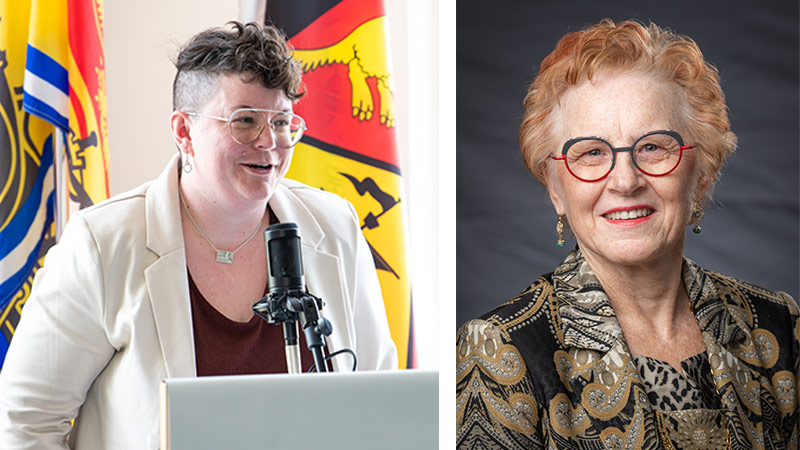
Photo 2: Dr. Patricia Morris, associate professor at the faculty of nursing and health sciences and Dr. Lorna Butler, dean of the faculty of nursing and health sciences.